Understanding Mini Split AC Systems
As temperatures rise, many homeowners are seeking efficient and cost-effective cooling solutions. A mini split ac system has emerged as a popular choice due to its flexibility, energy efficiency, and ease of installation. Unlike traditional HVAC systems, mini splits provide targeted cooling and heating, making them ideal for individual rooms or specific zones in a home. In this article, we will explore the fundamentals of mini split ac systems, including their components, benefits, installation costs, maintenance practices, and future trends in technology.
What is a Mini Split AC System?
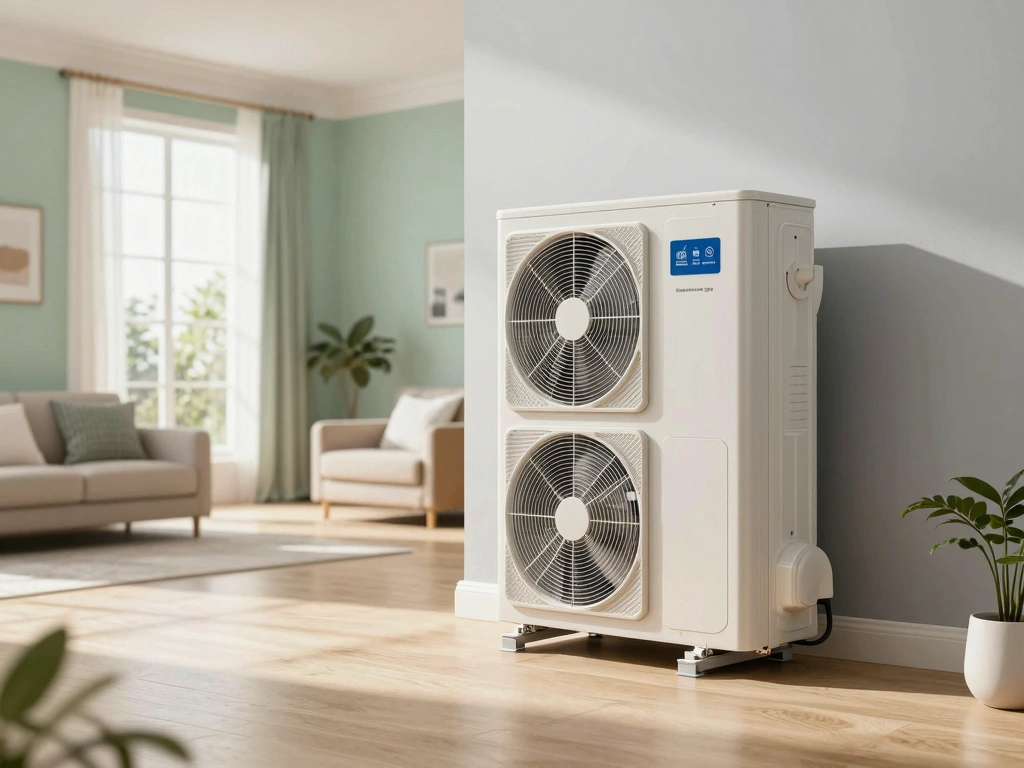
A mini split AC system, often referred to as a ductless AC system, consists of an outdoor compressor and one or more indoor units. This type of air conditioning system operates without ductwork, allowing for more flexible installation options and reducing energy loss associated with traditional ducted systems. This makes mini splits especially appealing for homes that lack existing ducts or for homeowners looking to improve energy efficiency.
Components of a Mini Split AC System
To understand how mini split systems work, it is essential to familiarize yourself with their key components:
- Outdoor Unit: Contains the compressor and condenser. This unit is responsible for transferring heat outside.
- Indoor Unit: Mounted on walls or ceilings, this unit distributes cool or warm air into the living space. Multiple indoor units can be connected to one outdoor unit.
- Refrigerant Lines: These insulated lines connect the outdoor unit to the indoor units, transporting refrigerant to facilitate heat exchange.
- Remote Control: Most systems come with a remote for easy temperature adjustments and settings.
Benefits of Using a Mini Split System
Mini split systems offer numerous advantages for homeowners, including:
- Energy Efficiency: By eliminating ductwork, mini splits prevent energy loss, helping to lower electricity bills.
- Flexible Installation: These systems can be installed in various configurations, making them suitable for different space layouts.
- Targeted Comfort: Mini splits allow for zoning, meaning different rooms can be heated or cooled to different temperatures based on personal preferences.
- Quiet Operation: The indoor units are designed to operate quietly, enhancing comfort without disruptive noise.
Cost Factors for Mini Split AC Systems
Installation Costs of Mini Split AC Systems
The cost of installing a mini split system can vary considerably based on numerous factors including system size, brand, and installation complexity. On average, homeowners can expect to pay between $3,000 and $5,000 for a complete system, including both units and installation. Installation costs may be influenced by the number of indoor units required and any necessary modifications to the home.
Energy Efficiency and Operating Costs
Mini split systems are designed to be energy-efficient, often achieving SEER (Seasonal Energy Efficiency Ratio) ratings of 22 or higher. Higher SEER ratings indicate greater efficiency, which translates into lower utility bills. Homeowners can save significantly on annual cooling costs, with estimates suggesting savings of up to 30% compared to traditional central AC systems.
Financing Options for Homeowners
Many manufacturers and dealers offer financing options that can make investing in a mini split ac system more affordable. Homeowners should explore options such as zero-interest credit plans, seasonal promotions, or energy efficiency rebates available from local utility companies. These financial incentives can help offset initial installation costs.
Common Misconceptions about Mini Split Systems
Noise Levels and Operation
One prevalent misconception is that mini split systems are noisy, which can deter homeowners from considering them. In reality, most modern mini splits operate at noise levels comparable to a whisper. The indoor units are designed with insulated casings, minimizing operational noise and enhancing the overall comfort of living spaces.
Installation Complexity and DIY Options
While some homeowners consider DIY installation for mini split systems, it is important to note that professional installation is recommended. Properly sizing the system and ensuring correct refrigerant handling are vital for optimal performance. Hiring a qualified HVAC technician ensures the system’s efficiency and longevity, reducing the likelihood of costly repairs in the future.
Comparing Mini Splits with Traditional HVAC Systems
When comparing mini split systems with traditional HVAC options, it’s crucial to evaluate efficiency, installation requirements, and overall functionality. Mini splits provide targeted heating and cooling, which can enhance comfort while maintaining energy efficiency. Traditional systems require extensive ductwork and may contribute to energy loss through leaks and inefficient air distribution.
Best Practices for Maintenance
Regular Cleaning and Filter Replacement
To maintain efficiency, it is essential for homeowners to perform regular maintenance on their mini split systems. This includes cleaning the filters monthly and replacing them as needed. A clean filter helps improve airflow and prevents strain on the system, contributing to longevity.
Professional Servicing for Longevity
In addition to regular cleaning, scheduling annual professional maintenance is advisable. A trained technician can inspect components, ensure optimal refrigerant levels, and identify any potential issues before they escalate into costly repairs.
Monitoring Energy Usage and Efficiency
Homeowners should keep an eye on their energy bills and overall system performance. If there is a noticeable increase in energy consumption or a decline in effectiveness, it may be time to consult with an HVAC professional to assess the system and determine if repairs or upgrades are necessary.
Future Trends in Mini Split AC Technology
Advancements in Smart Technology
As technology evolves, mini split systems are increasingly integrating smart technology. Features like programmable thermostats, mobile app controls, and voice command capabilities are becoming standard. These advancements allow homeowners to monitor and adjust their systems remotely, leading to greater comfort and efficiency.
Sustainability and Eco-Friendly Options
In response to growing environmental concerns, many manufacturers are developing eco-friendly refrigerants and energy-efficient models. These sustainability efforts not only reduce the environmental impact but also appeal to consumers looking for greener options in their home cooling and heating solutions.
Market Predictions for 2026 and Beyond
Looking forward to 2026, the demand for mini split ac systems is expected to continue rising. Factors such as an increase in home renovations, a trend towards energy-efficient appliances, and greater awareness of the benefits of ductless systems will likely drive market growth. As technology advances, consumers can expect even more efficient, user-friendly options to emerge in the marketplace.
What are the downsides of a mini split AC system?
While mini split systems offer many benefits, they also come with some downsides. Initial installation costs can be higher than traditional systems, especially if multiple indoor units are needed. Additionally, some homeowners may find the aesthetics of the indoor units less appealing, as they can be visible in living spaces. Despite these factors, many still consider mini splits to be a worthwhile investment for their energy efficiency and comfort.
What is the typical cost of installing a mini split system?
As discussed, the cost of installing a mini split system varies based on size and complexity. Homeowners should budget between $3,000 to $5,000, but costs can fluctuate based on local labor rates and specific system features.
Why is my electric bill so high with mini split?
High electric bills can be attributed to several factors, including improper sizing of the unit, a dirty filter, or even inefficient usage patterns. Regular maintenance and ensuring that the system is appropriately sized for the space can help mitigate excessive energy costs.