Understanding AI Product Photo Generators
As e-commerce continues to evolve, the importance of high-quality product imagery cannot be overstated. The emergence of the AI product photo generator has revolutionized how brands approach product photography, allowing businesses to create stunning images without the need for expensive equipment or extensive photography skills. This article will explore the landscape of AI product photo generators, their functionality, benefits, and how they are transforming the world of digital commerce.
What is an AI Product Photo Generator?
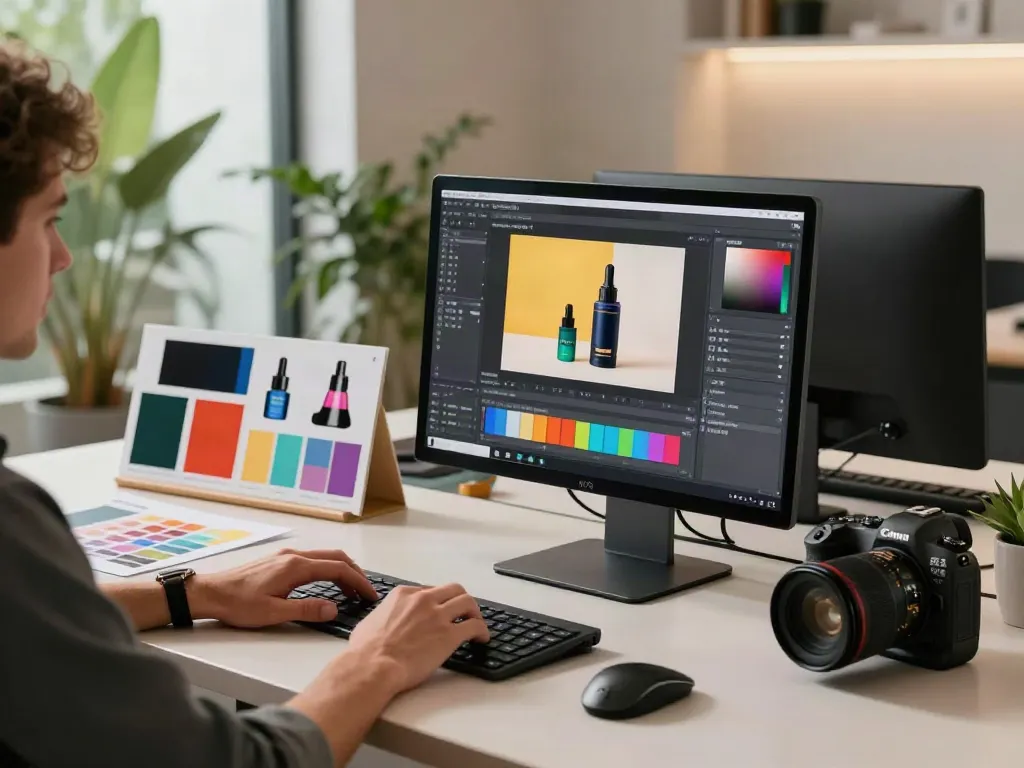
An AI product photo generator is a sophisticated software tool that uses artificial intelligence algorithms to create, modify, or enhance product images. These tools leverage deep learning, computer vision, and image editing techniques to produce professional-quality visuals efficiently. Users can input basic product photos or descriptions, and the generator will create high-resolution, appealing images suited for e-commerce platforms, ads, or social media.
How AI Product Photo Generators Work
The process begins with the user uploading an initial image or providing a text prompt describing the desired visual traits. The AI analyzes existing data and patterns in photography to generate new images. Many generators utilize generative adversarial networks (GANs) to refine the images, ensuring they meet specific aesthetic standards. These advancements enable the software to understand lighting, angles, and backgrounds, thereby producing high-quality outputs that resonate with potential buyers.
Benefits of Using AI for Product Photography
- Cost-Effectiveness: Eliminates the need for professional photographers, studios, and related expenses.
- Time Efficiency: Generates images quickly, allowing businesses to launch products without delays.
- Scalability: Easily create multiple images in various styles and formats to cater to different marketing needs.
- Consistency: Ensures uniformity in image quality, which is crucial for brand recognition and customer trust.
Choosing the Right AI Product Photo Generator
Key Features to Look for in a Generator
When selecting an AI product photo generator, consider the following features to ensure you choose a tool that meets your business needs:
- User-Friendly Interface: A straightforward design allows users with minimal technical skills to navigate effectively.
- Customization Options: Look for generators that offer various templates, backgrounds, and styles to tailor images to your brand's identity.
- Integration Capabilities: The ability to connect with e-commerce platforms and social media can streamline the workflow.
- Photo Editing Options: Advanced editing tools enhance the generated images, allowing for fine-tuning.
- Cost: Evaluate pricing models to find one that fits your budget without sacrificing quality or features.
Comparing Top AI Product Photo Generators
With numerous AI product photo generators available, here is a comparative look at some of the leading options:
- Flair.ai: Known for its intuitive drag-and-drop interface, it allows real-time collaboration and provides a suite of editing tools for high-quality e-commerce images.
- Canva: While primarily a graphic design platform, its AI product photo capabilities allow users to create stunning visuals quickly.
- Pebblely: Focuses on creating product photos without requiring any Photoshop skills, making it ideal for small businesses.
- Claid: Offers advanced features for upscaling and improving product images, particularly in the fashion sector.
User Ratings and Recommendations
Before choosing a generator, it's beneficial to consult user ratings and testimonials. Platforms like Reddit often feature discussions among e-commerce entrepreneurs sharing their experiences with different tools. It's essential to prioritize generators with positive reviews, especially concerning image quality and customer support.
Creating Stunning Product Images with AI
Step-by-Step Guide to Using an AI Photo Generator
To effectively use an AI product photo generator, follow this practical guide:
- Choose a Generator: Select an AI product photo generator that meets your requirements based on features discussed earlier.
- Upload Your Image: Start by uploading a base product image or entering a descriptive prompt.
- Select Customization Options: Choose from templates, backgrounds, and styles that align with your branding.
- Generate Images: Allow the AI to process the information and create the visual content.
- Edit and Refine: Use available editing tools to make adjustments for perfecting the final product.
- Download and Use: Once satisfied with the images, download them for your e-commerce platform or marketing needs.
Best Practices for Optimal Results
To maximize the effectiveness of AI-generated product images, consider these best practices:
- High-Quality Base Images: Begin with a clear, high-resolution image for the AI to work with.
- Consistent Branding: Maintain a cohesive look across all product images to bolster brand recognition.
- Experiment: Use different styles and templates to see which resonate best with your audience.
- Stay Updated: Keep an eye on trends in product photography to ensure your images are relevant and appealing.
Common Mistakes to Avoid
Avoid these pitfalls when using AI product photo generators:
- Neglecting Image Quality: Always start with a quality base image; poor quality will yield subpar results.
- Overcomplicating Edits: Sometimes, less is more. Keep your images clean and focused on the product.
- Ignoring User Feedback: Pay attention to how customers react to your images; adapt based on their preferences.
Real-World Applications of AI Product Photography
Case Studies from Successful E-commerce Brands
Numerous brands have leveraged AI product photography to enhance their online presence:
- Fashion Retailers: Many online clothing stores use AI-generated images to create diverse looks for the same outfit, showcasing how it can be styled in various ways.
- Electronics Brands: Generating multi-angle views allows customers to better visualize products, aiding their purchasing decisions.
Sectors Benefiting from AI Product Images
Several industries are reaping the benefits of AI in product photography, including:
- Fashion: Rapidly changing trends require frequent updates to product imagery.
- Home Goods: High-quality images help customers visualize items in their homes.
- Health and Beauty: Compelling visuals can highlight product efficacy and appeal.
How AI Enhances Brand Image and Customer Engagement
AI-generated product images can strengthen brand image by ensuring high-quality, professional-looking visuals. This not only boosts credibility but also enhances customer engagement, leading to improved conversion rates. By providing visually appealing content, brands can capture attention more effectively in a crowded online marketplace.
The Future of AI Product Photography
Emerging Trends for 2026 and Beyond
As technology advances, AI product photography will continue to evolve. Anticipate trends such as:
- Augmented Reality (AR): Integration of AR features will allow customers to see how products fit into their lives before purchase.
- Personalization: AI will use customer data to generate customized product images that cater to individual preferences.
- Realistic Simulations: The ability to create ultra-realistic images that mimic real-life photography will enhance the shopping experience.
How AI Will Shape E-commerce Visuals
The future of e-commerce visuals will be heavily influenced by AI advancements. Brands will be able to produce high-quality imagery faster than ever, responding quickly to market trends and customer preferences. This will likely lead to an increase in customer trust and satisfaction as visual content becomes more aligned with their expectations.
Preparing Your Business for AI Innovations
To stay ahead of the competition, businesses should begin adopting AI product photography tools now. Investing in these technologies can streamline processes, enhance marketing strategies, and ultimately drive sales. Training staff on how to utilize these tools effectively will be essential in harnessing their full potential.
What is the best AI product photo generator?
Choosing the best AI product photo generator will depend on your specific needs and budget. Factors such as image quality, user experience, and integration capabilities should guide your decision-making process.
How to make AI generated product photos?
To create AI-generated product photos, begin by selecting an appropriate generator, upload a base image or text prompt, and utilize customization features to enhance the output. Follow best practices to ensure the generated photos meet your standards.
Is there an AI photo generator that can generate anything?
While many AI photo generators are versatile, the ability to generate "anything" is often limited by the quality of the training data and algorithms used. Some tools excel in specific niches, such as product photography.
Is there a 100% free AI image generator?
Several AI image generators offer free versions, but these may come with limitations in terms of features and output quality. It's essential to evaluate whether free options meet your business needs or if paid solutions are worth the investment.
How to improve AI-generated product images?
Improving AI-generated product images can be achieved by starting with high-quality inputs, taking advantage of available editing tools, and continuously analyzing customer feedback to refine your approach.