Understanding AI Data Centers
In an era where artificial intelligence (AI) plays a pivotal role in shaping various industries, the demand for robust and efficient AI data center has surged. These specialized facilities are designed to host the infrastructure necessary to train, deploy, and deliver AI applications and services efficiently. As companies increasingly rely on AI for competitive advantage, understanding the components and operations of AI data centers is crucial for stakeholders across the technology landscape.
What is an AI Data Center?
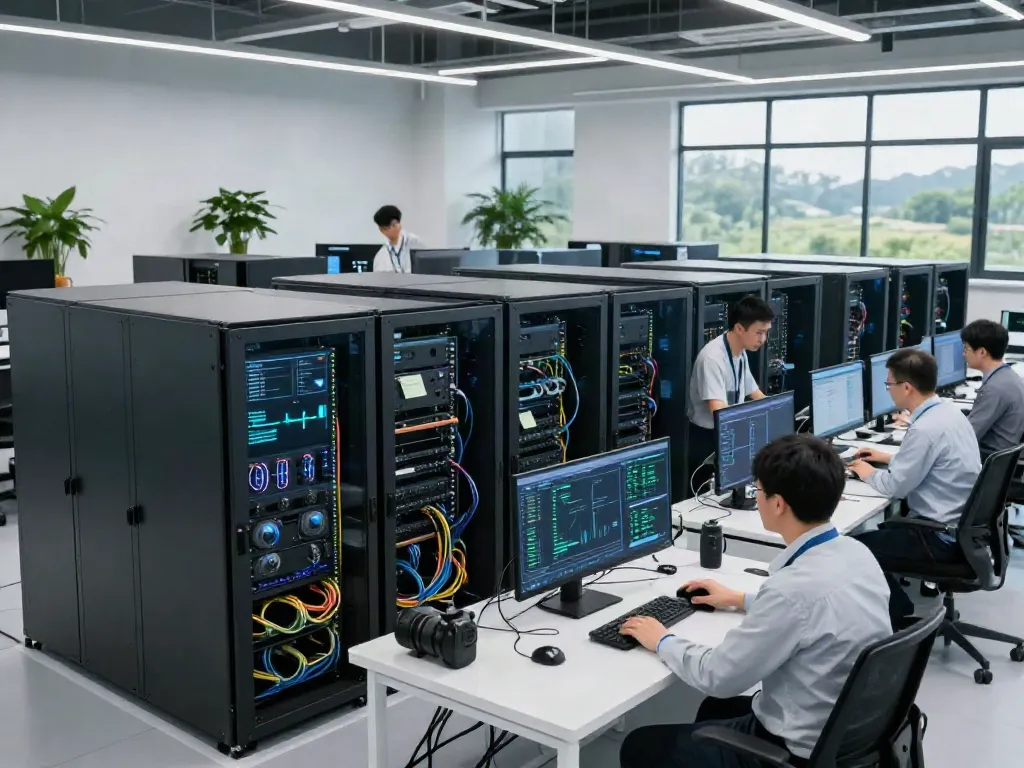
An AI data center is a facility specifically equipped to handle the unique requirements of AI workloads. Unlike traditional data centers which often rely on CPUs, AI data centers utilize high-performance GPUs and TPUs (Tensor Processing Units) that are essential for managing complex algorithms and large datasets typically associated with AI training and inference tasks. These data centers support a variety of applications, from natural language processing to computer vision, and are crucial for businesses aiming to leverage AI to improve operational efficiency.
Key Components of AI Data Centers
- High-Density Computing Infrastructure: Designed to accommodate powerful GPUs that maximize processing speed and efficiency.
- Scalable Storage Solutions: Essential for handling the vast amounts of data generated and used in AI training.
- Efficient Cooling Systems: Necessary to manage the heat generated by high-performance computing units.
- Advanced Networking Equipment: To ensure rapid data transfer rates and low latency, critical for AI responsiveness.
- Power Management Systems: To optimize electricity usage and ensure the reliability of operations, thus reducing operational costs.
Importance of Power Management in AI Infrastructure
Power management is a critical aspect of AI infrastructure, particularly because AI models often demand substantial energy resources for their operations. Efficient power management not only enhances the reliability of AI data centers but also significantly reduces energy costs. Companies must adopt strategies that optimize power usage, including the deployment of renewable energy sources, energy-efficient hardware, and intelligent resource scheduling to further enhance sustainability.
The Role of Power in AI Data Centers
Power supply intricately ties to the performance of AI data centers. A stable and efficient power grid allows for the uninterrupted operation of powerful computing resources essential for running AI models. The selection of appropriate power plans is thus vital for maintaining a balanced and effective AI infrastructure.
How Power Supply Impacts Performance
AI workloads can be computationally intensive, necessitating a consistent and reliable power supply to maintain performance levels. Any fluctuations can lead to processing errors, increased latency, and potentially costly downtimes. Moreover, the integration of power management systems enables data centers to monitor and adjust power consumption dynamically, ensuring optimal performance during peak workload periods.
Types of Power Plans Available
Various power plans cater to the specific needs of AI data centers, allowing for scalability and flexibility. These include:
- Core Power Access: Offers essential electricity supply for standard operations.
- Enhanced Power Access: Provides increased capacity for more intensive AI workloads.
- Advanced Power Access: Tailored for high-demand environments where AI tasks require extensive computational power.
Measuring Power Contribution in Operations
To effectively manage power consumption and allocate resources, data centers utilize sophisticated monitoring tools that assess power contribution from various systems. This data is crucial for optimizing operations, enabling facility managers to identify usage trends and make informed decisions regarding scaling and energy management.
Optimizing Operations for AI Data Centers
As AI technology evolves, so must the operational strategies of data centers. Optimization practices not only enhance productivity but also represent significant cost savings and environmental benefits.
Best Practices for AI Workload Management
Efficient workload management plays a vital role in optimizing AI data center operations. Best practices include:
- Load Balancing: Distributing workloads evenly across available resources to prevent any single component from becoming overwhelmed.
- Dynamic Scaling: Adjusting the resources allocated to workloads based on real-time demand to maximize efficiency.
- Regular Maintenance: Implementing routine checks and updates to ensure optimal performance of hardware and software.
Using AI for Infrastructure Efficiency
Leveraging AI technologies within the data centers themselves can lead to enhanced operational efficiencies. Predictive analytics can help forecast demand, enabling proactive resource allocation and management.
Monitoring and Analytics Tools for Performance
Advanced analytics tools provide insights into performance metrics, enabling data center operators to monitor energy consumption, resource usage, and system health effectively. This data can guide decision-making and prompt improvements in operational strategies.
Participating in the AI Token Economy
The integration of AI data centers into the AI token economy provides opportunities for stakeholders to participate in a decentralized ecosystem. This involvement can be beneficial for individuals and organizations alike, offering new revenue streams and engagement models.
How to Join the AI Token Economy
Joining the AI token economy can be straightforward through platforms such as 51 AIpower. Participants can select from various power plans that allow them to contribute to the AI infrastructure while potentially earning rewards based on their contributions to AI workloads.
Calculating Contribution Rewards
Each contribution plan records the electrical and operational metrics associated with the AI workloads supported. Based on these metrics, participants are rewarded according to their level of involvement and the efficiency of their systems. This creates a transparent and equitable reward system for all participants.
Case Studies of Successful Participation
Several organizations that have integrated into the AI token economy through AIpower have reported increased operational efficiencies and reduced energy costs. Real-world examples illustrate how strategic participation can lead to substantial gains in productivity and profitability.
Future Trends in AI Data Centers
The landscape of AI data centers is continuously evolving, especially as new technologies and practices emerge. Understanding these trends is vital for stakeholders looking to maintain a competitive edge.
Emerging Technologies Shaping AI Infrastructure
Technologies such as quantum computing, advanced machine learning algorithms, and edge computing are poised to revolutionize AI data centers. These innovations promise increased processing capabilities and improved efficiency, driving the future of AI infrastructure.
Sustainability and Eco-Friendly Practices
As the urgency for environmental responsibility grows, AI data centers are adopting more sustainable practices. From utilizing renewable energy sources to implementing energy-efficient cooling techniques, these practices not only benefit the environment but also align with modern consumer expectations.
Predictions for AI Data Centers in 2026
By 2026, AI data centers are expected to be increasingly integrated with renewable energy sources, employing advanced AI-driven management systems that optimize both performance and energy use. Efforts towards sustainability will likely reshape the industry, leading to a new era of highly efficient and environmentally friendly data centers.