Defining Understanding in Today’s Context
In an era characterized by rapid technological advancements and an abundance of information, understanding has gained a multifaceted significance. It transcends mere memorization of facts, emerging as a crucial skill that empowers individuals to navigate the complexities of modern life. As we delve into the meaning of understanding, it is vital to recognize how its definition has evolved and its critical role in various domains, including education, communication, and interpersonal relationships.
What Does Understanding Mean in 2026?
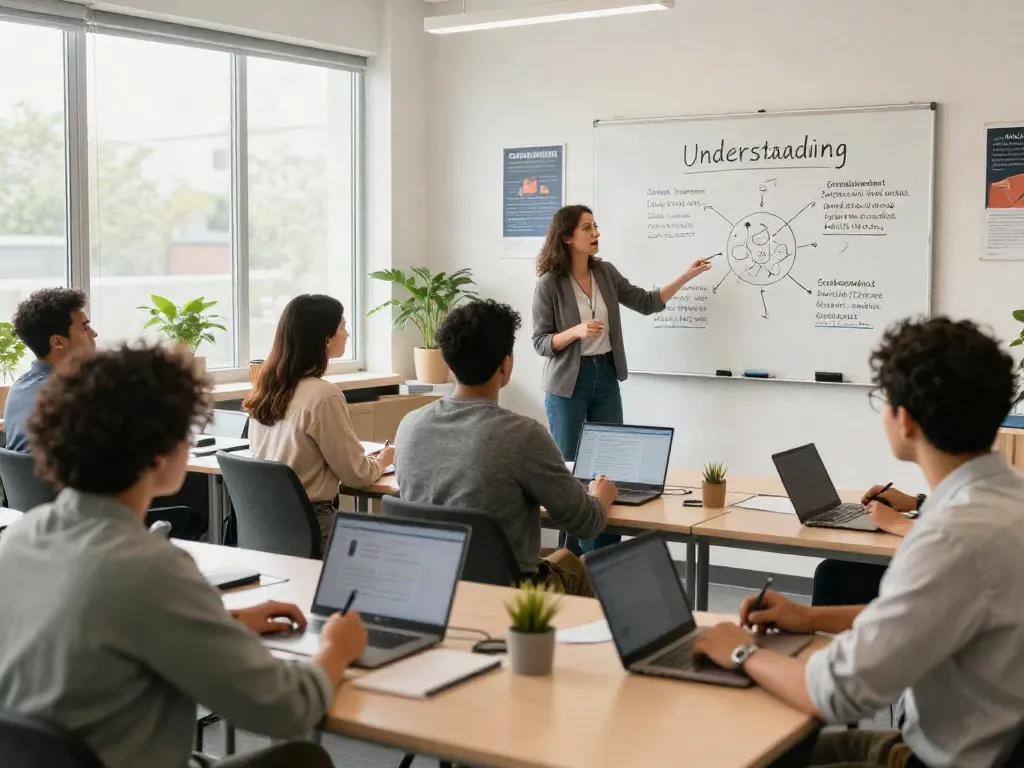
By 2026, understanding is expected to manifest itself as a dynamic process capable of adapting to new contexts and challenges. No longer is it simply about grasping facts or concepts; understanding now involves a synthesis of knowledge, interpretation, and application. This shift acknowledges the necessity for individuals to critically assess information, derive meaning, and apply it effectively in diverse scenarios. Understanding is also increasingly recognized as a social construct, shaped by interactions with others and the environment.
Evolving Definitions: From Basic to Complex
Historically, understanding was often equated with knowledge acquisition. However, as our comprehension of cognitive sciences expands, definitions continue to evolve. The 21st century emphasizes the importance of contextual learning, where understanding goes beyond rote learning to involve critical thinking and emotional intelligence. Today, understanding is seen as the ability to connect disparate pieces of information, recognize patterns, and apply insights in real-world situations.
Understanding vs. Knowledge: Key Differences
While knowledge and understanding are intrinsically linked, they are not interchangeable. Knowledge typically refers to the accumulation of facts and information, whereas understanding embodies the ability to interpret, analyze, and utilize that knowledge effectively. For instance, a student may possess extensive knowledge about a subject but may struggle to demonstrate understanding unless they can apply that knowledge in practical contexts. This distinction is crucial in educational settings, where fostering true understanding is the goal, rather than mere memorization.
The Cognitive Process of Understanding
The journey to understanding involves intricate cognitive processes that facilitate information processing and comprehension. Understanding is not static; it involves continuous interactions with new information and experiences, necessitating mental flexibility and adaptability.
How We Process Information: Cognitive Models
Cognitive models explain how individuals make sense of information. The Dual Coding Theory posits that information is better retained when it is presented both verbally and visually. By integrating different modalities, learners can create richer mental representations. Additionally, the Constructivist Theory emphasizes that learners build their understanding through experiences and reflections, adapting their conceptual frameworks as they encounter new information.
Factors Influencing Understanding: Emotional and Social Aspects
Understanding is not purely cognitive; emotional and social factors significantly influence how individuals grasp complex concepts. Emotional intelligence, for instance, plays a crucial role in how one interprets scenarios and responds to challenges. Moreover, social interactions can enhance understanding, as collaborative learning environments often lead to deeper comprehension through discussion and shared experiences.
Real-World Applications of Understanding Concepts
The implications of understanding extend beyond the classroom into real-world applications. In the workplace, for example, employees who understand their roles and responsibilities are more likely to adapt to changes and contribute positively to team dynamics. In healthcare, understanding a patient’s condition involves not only knowledge of medical terminology but also empathy and communication skills that facilitate supportive patient care.
Challenges in Achieving True Understanding
Despite its importance, achieving true understanding is fraught with challenges. Recognizing these barriers is essential for developing effective strategies to overcome them.
Common Misconceptions About Understanding
One prevalent misconception is that understanding is solely dependent on the amount of information one possesses. In reality, understanding requires making connections between ideas and synthesizing information meaningfully. Moreover, many believe that understanding is a linear process, but it often involves revisiting concepts and refining one’s perspectives.
Barriers to Effective Learning and Understanding
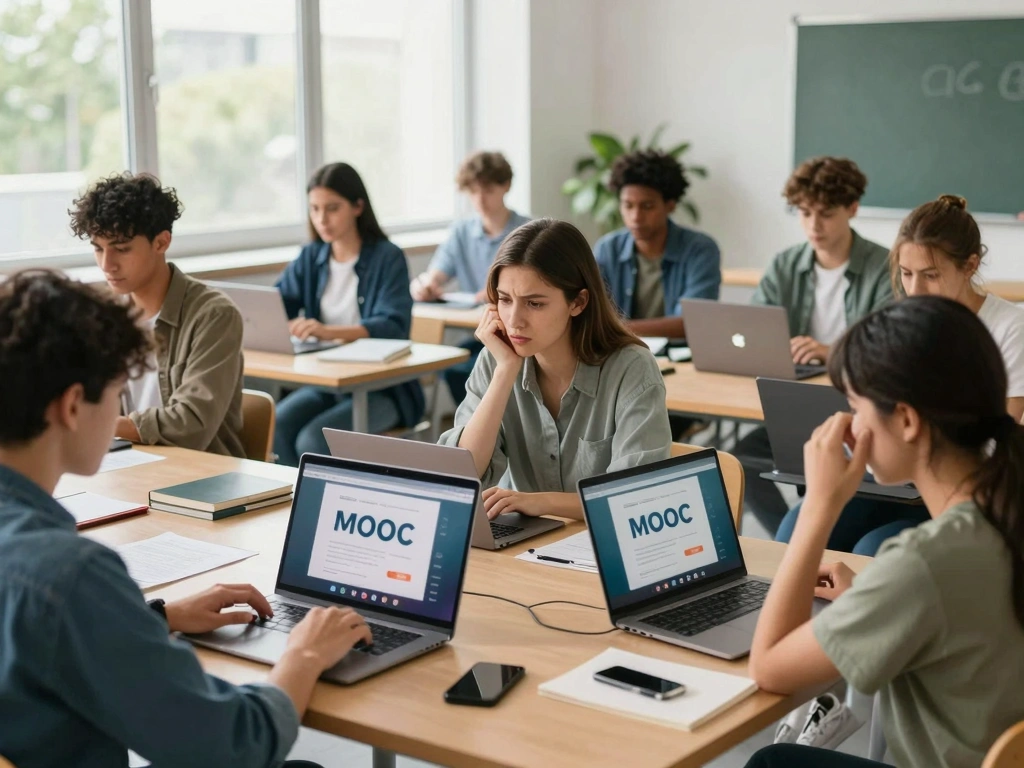
Barriers such as cognitive overload, lack of motivation, and fixed mindset can hinder the path to understanding. Cognitive overload occurs when individuals are presented with too much information simultaneously, impeding their ability to organize and comprehend it effectively. A lack of motivation can stem from disinterest in the subject matter or fear of failure, both of which can discourage learners from engaging deeply. Additionally, individuals with a fixed mindset may believe that their abilities are innate and unchangeable, limiting their willingness to challenge themselves.
Strategies to Overcome Learning Obstacles
To foster understanding, educators and learners alike can implement various strategies. Techniques include breaking down complex information into digestible parts, using analogies, and encouraging active participation in discussions. Emphasizing the value of feedback and reflection can also aid in reinforcing understanding, as it allows learners to assess their knowledge and identify areas for growth.
Enhancing Understanding Through Effective Techniques
To cultivate a richer understanding, individuals and educators can employ a variety of techniques geared toward engagement and practical application.
Active Learning Strategies: Engagement and Collaboration
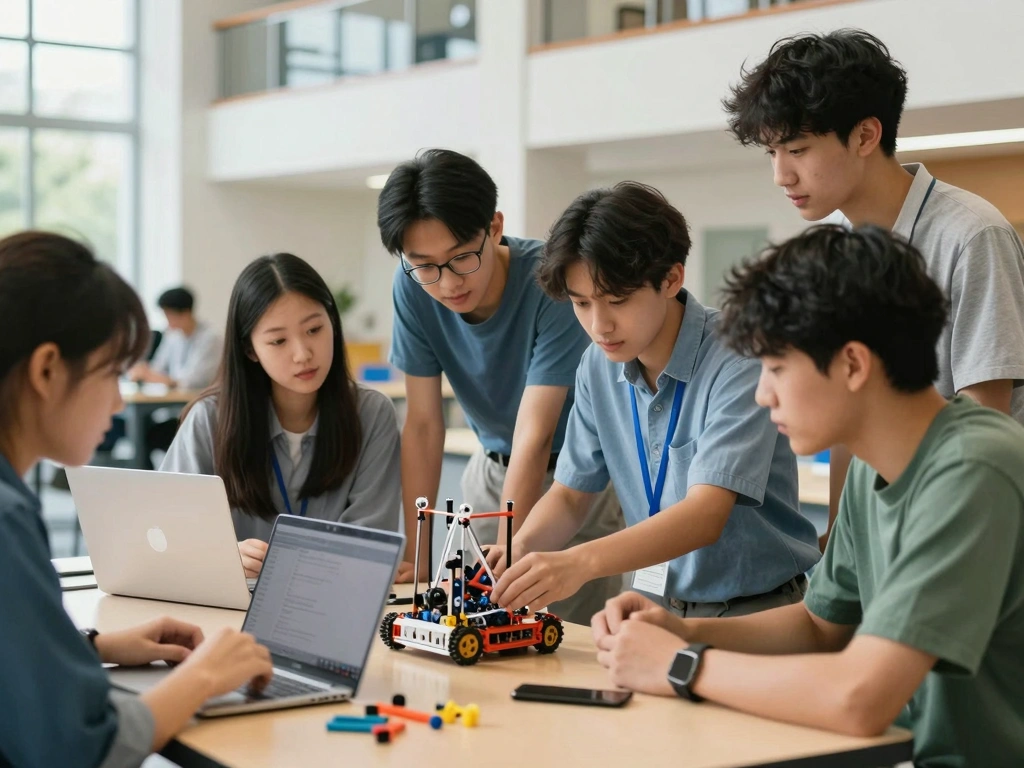
Active learning strategies—such as group projects, case studies, and hands-on activities—encourage collaboration and critical thinking. By engaging with their peers, learners can share insights, challenge each other's ideas, and develop a more nuanced understanding of the subject matter. This collaborative approach not only fosters deeper comprehension but also builds essential communication and teamwork skills.
Utilizing Technology to Foster Understanding
Technology can serve as a powerful tool for enhancing understanding. E-learning platforms, interactive simulations, and virtual reality experiences provide immersive learning environments that promote exploration and experimentation. For example, simulations allow learners to apply theoretical knowledge in simulated real-life scenarios, bridging the gap between classroom learning and practical application.
Evaluating Understanding: Tools and Methods
Assessing understanding is crucial for measuring progress and identifying areas that may need further attention. Formative assessments—such as quizzes, reflective journals, and peer evaluations—can offer valuable insights into a learner’s comprehension. These assessments should emphasize not just what the learner knows but how they can apply that knowledge effectively.
The Future of Understanding in Education and Beyond
As we look ahead, the future of understanding in education and various sectors is set to transform significantly, influenced by technological advancements and evolving pedagogical theories.
Emerging Trends in Learning and Understanding
Emerging trends highlight a shift towards personalized and adaptive learning experiences that cater to individual needs and learning styles. Artificial intelligence and data analytics are increasingly utilized to tailor educational content, ensuring that learners receive support and challenges suited to their unique profiles. This individualized approach enhances understanding by allowing learners to progress at their own pace.
Predictions for Understanding in Different Fields by 2026
By 2026, understanding is anticipated to play a pivotal role in sectors such as healthcare, technology, and business. In healthcare, understanding patient needs will become increasingly essential for delivering personalized care. In technology, engineers and developers will need a robust understanding of user experiences to create intuitive products. Similarly, businesses will prioritize understanding customer behavior to refine their marketing strategies and enhance customer satisfaction.
Preparing for Change: Adapting to New Learning Paradigms
In navigating these changes, individuals must remain adaptable and open to lifelong learning. Embracing a growth mindset—where one sees challenges as opportunities for development—will be vital in fostering understanding in an ever-changing landscape. As knowledge and technology continue to evolve, so too must our approaches to learning and comprehension.
What is the best way to foster understanding?
The best way to foster understanding is to create a supportive environment that encourages inquiry and critical thinking. By promoting a culture of curiosity and collaboration, individuals can explore complex concepts without the fear of making mistakes. Engaging with diverse perspectives also enriches understanding, allowing learners to appreciate different viewpoints.
How does understanding differ from knowledge?
Understanding differs from knowledge primarily in its depth and application. While knowledge refers to the facts and information one possesses, understanding encompasses the ability to grasp concepts, relate them to existing knowledge, and apply them in practical contexts. This distinction highlights the importance of not just knowing but also comprehending and utilizing information effectively.
What are common barriers to understanding?
Common barriers to understanding include cognitive overload, emotional factors such as anxiety or lack of motivation, and fixed mindsets. These barriers can hinder one’s ability to process information effectively and engage with learning materials in a meaningful way. Recognizing and addressing these obstacles is essential for nurturing a deeper comprehension.
How can technology enhance understanding?
Technology enhances understanding by providing interactive and engaging learning experiences. Tools such as educational software, online platforms, and virtual reality allow for immersive learning that encourages exploration and experimentation. By leveraging technology, educators can create more dynamic learning environments that cater to diverse learning styles.
What future trends will shape our understanding?
Future trends that will shape our understanding include personalized learning experiences driven by artificial intelligence, collaborative learning through technology-enhanced platforms, and an increased focus on emotional intelligence in educational curricula. These trends will foster a more holistic approach to learning, emphasizing not just cognitive skills but also interpersonal and intrapersonal understanding.